Ghost Mannequin Photography: Invisible Mannequin Guide
Ghost mannequin photography — also called invisible mannequin — makes clothing look like it's being worn without any model in the shot. The definitive guide to this e-commerce fashion photography technique, from studio workflow to pricing.
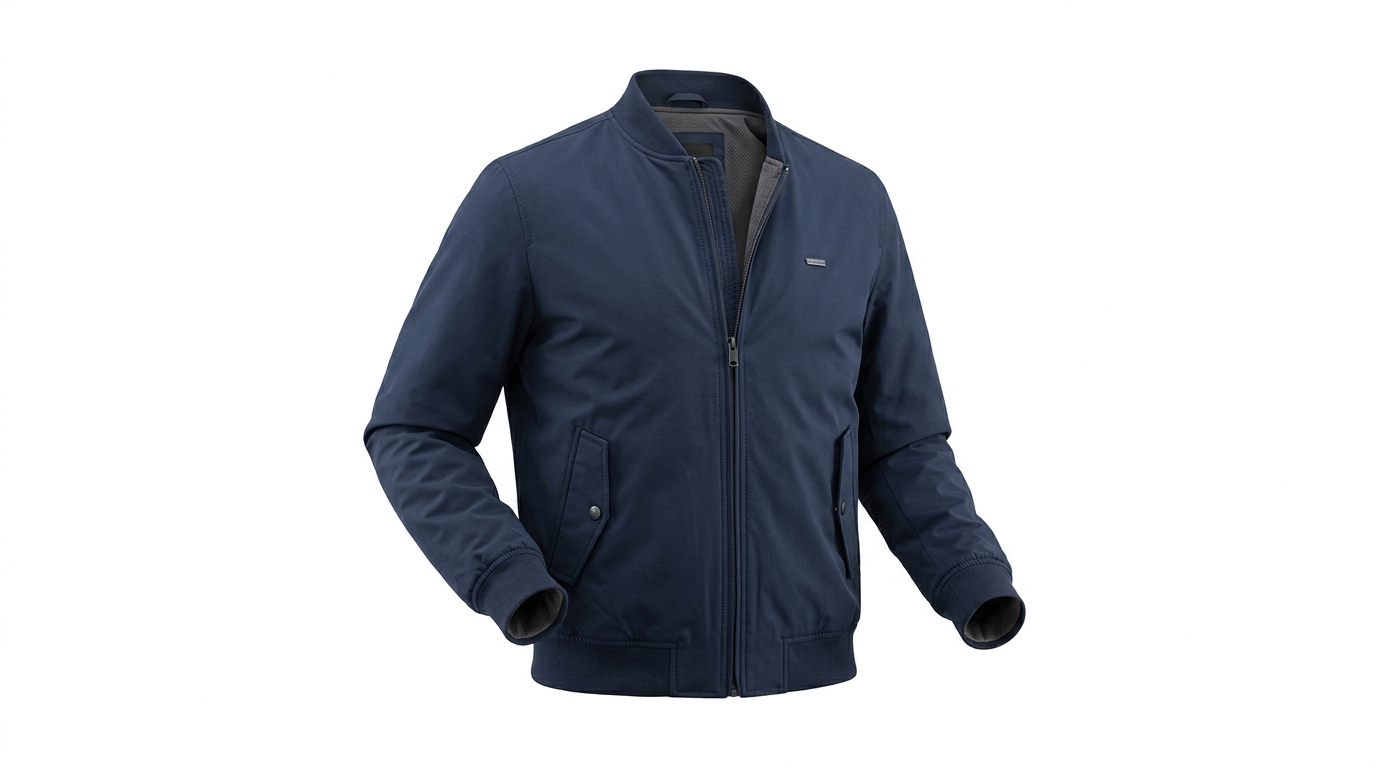
What Is Ghost Mannequin Photography?
Ghost mannequin photography (also known as invisible mannequin or hollow man photography) is a post-production technique used in fashion product photography. The garment is dressed on a real mannequin and photographed from multiple angles; during post-production, the mannequin is digitally removed from every image. The result is a garment that appears to be worn by an invisible body — three-dimensional, structured, and true to its actual silhouette.
This technique is the industry standard for e-commerce product pages. It allows shoppers to clearly assess the fit, shoulder line, volume, and overall form of a garment — information that is critical to purchase decisions. Compared to flat lay photography, ghost mannequin delivers a far more lifelike presentation; compared to model photography, it provides a clean, brand-neutral image that keeps the focus entirely on the product.
Why White Background?
A white or pure light-grey background is the baseline requirement for e-commerce platforms worldwide. Amazon, ASOS, and most major marketplaces mandate white backgrounds for primary product images. The benefits extend beyond compliance:
- Full visual focus on the product — no competing environmental elements
- Catalogue consistency across an entire seasonal range
- Clean clipping paths and masking for fast, precise cut-out (dekupe) work
- Platform search algorithms tend to rank white-background images more favourably
At PAM Istanbul, our studios use continuous LED lighting rigs calibrated to a fixed 5,500K colour temperature alongside seamless white paper backgrounds, ensuring consistent results across every SKU in a collection.
Ghost Mannequin vs Flat Lay
In a flat lay shoot the garment is arranged on a flat surface and photographed from directly above. This works well for highlighting texture and surface detail — but it tells the viewer nothing about how the garment sits on the body. Ghost mannequin photography restores that three-dimensional information. Shoulder width, neckline depth, sleeve volume, and waist shaping all become visible in a way that directly influences buying confidence and reduces return rates.
The Shoot Process Step by Step
A professional ghost mannequin shoot follows three clearly defined stages.
Stage 1 — Styling and Preparation
Before any shot is taken, each garment is steamed and dressed onto the mannequin with care. Clips, pins, and foam padding are used where necessary to ensure the garment sits perfectly. Collar points, zips, button plackets, hem lines, and sleeve breaks are all checked and corrected. Well-prepared styling is the single biggest factor in reducing post-production time.
Stage 2 — The Shoot
Each garment is photographed in at least two positions: a front-facing hero shot and a downward-angled view showing the inside neck or hem label — the detail that will later be composited to create the hollow interior effect. Additional angles (back, side, detail close-up) are added based on the product category and client brief.
Stage 3 — Post-Production
The retouching team works layer by layer: the mannequin is removed, the background is cleaned to pure white, and the two key frames are composited so that the garment's inner structure is visible. Colour correction ensures all images in the range share a consistent white balance and exposure. Final files are delivered in client-specified formats and resolutions.
Which Product Categories Benefit Most?
Ghost mannequin is the preferred technique across most structured apparel categories:
- Tops: Shirts, blouses, knitwear, sweatshirts, jackets
- Outerwear: Coats, parkas, trench coats, technical shells
- Knitwear and knit dresses: Volume and drape are shown convincingly
- Bottoms: Trousers, skirts, shorts (using specialised mannequin stands)
- Dresses and jumpsuits: One-piece garments work extremely well
- Lingerie and swimwear: Requires specialist mannequin configurations
Pricing Guide 2026
Ghost mannequin photography pricing depends on the number of SKUs, angles per SKU, and the scope of post-production work required. The table below gives indicative ranges for Istanbul-based shoots with PAM Istanbul.
| Package | SKU Count | Angles per SKU | Delivery | Price Range |
|---|---|---|---|---|
| Starter | 10–20 SKUs | 2 angles | 5 business days | €250 – €400 |
| Standard | 21–50 SKUs | 3 angles | 7 business days | €500 – €1,000 |
| Season Catalogue | 51–150 SKUs | 4 angles + detail | 10 business days | €1,100 – €2,500 |
| Enterprise | 150+ SKUs | Custom | Custom | Request a quote |
Prices exclude VAT. Per-unit cost decreases with volume. Rush delivery is available for a supplement.
What Sets PAM Istanbul Apart
PAM Istanbul brings styling, studio photography, and post-production together under one roof for ghost mannequin projects. A colour calibration card is used at the start of every project to lock in consistency across the full range. For large-volume collections we run parallel shooting stations to compress turnaround times. Final delivery includes both high-resolution master files and platform-optimised JPEG/WebP exports. Our location in Istanbul means international fashion brands can access European-quality output at highly competitive production costs.
Get a quote for your project
Ready to create consistent, conversion-ready ghost mannequin images for your e-commerce store? Book a no-obligation discovery call and we'll put together a custom quote based on your collection size and delivery timeline.
Contact Us →Contact: [email protected] · +90 530 267 49 29 · Yayıncılar Sok. 10/3, Seyrantepe · Istanbul