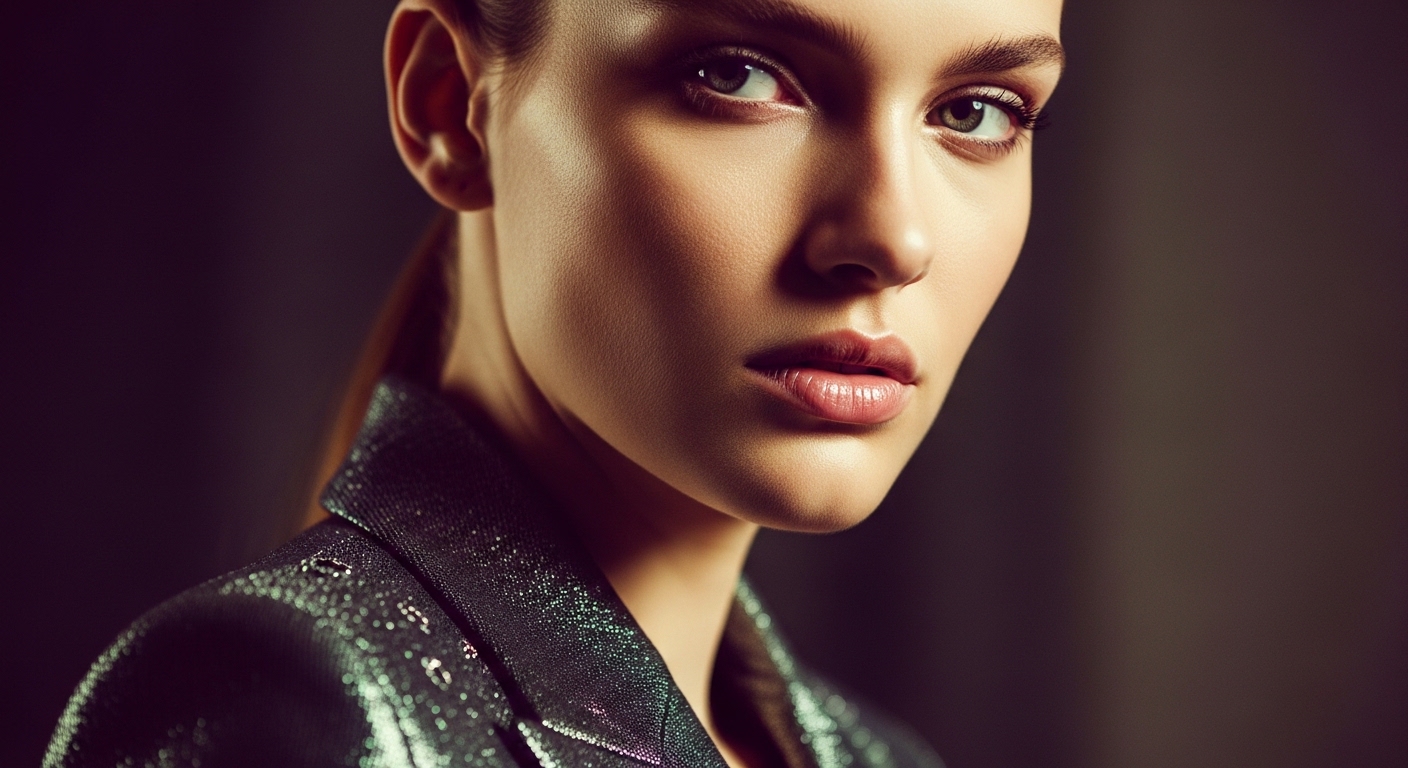
What AI virtual model photography actually delivers
AI virtual model generation has jumped two tiers in the last two years. Most of what's coming out today isn't easy to tell from a real model without a careful look. For fashion and textile brands that translates into three concrete things. First, volume. An e-commerce catalogue with 200 SKUs and a model shot for each would take weeks on a traditional schedule. With AI it takes days. Second, body diversity. Showing the same product in four body sizes and three skin tones is a real coordination load with live models, and a prompt change with AI.
Third, speed. The time from a new collection decision to the catalogue going live shrinks. On one of our e-commerce clients we tracked an average: 18 days with live model planning, 6 days with the hybrid AI flow. In fast fashion that gap turns directly into sales.
Where it works, where it stays limited
Knit tees, sweatshirts, basic denim, jersey sweatpants. AI is strong here. Fabric behavior is roughly predictable, light lands close to right. On our catalogue test, 85% of AI output in the basics category was usable without extra post.
Luxury silk, fine lace, draped dresses, heavy wool coats. Here AI still struggles. The flow of silk, the translucency of lace, the way a drape sits on the body. These are places the model doesn't reproduce well. Using AI for catalogue output in luxury is too early. Using it for concept and mood is fair. Using it for sales visuals is risky.
Footwear and accessories sit in the middle. Handbags are relatively easy. Shoe soles and inner stitching are hard. Jewelry is mostly out of reach for AI today. Small detail and real metal reflection are still studio work.
The garment texture and fabric behavior problem
AI's most concrete weakness in fashion is fabric behavior. When a live model turns, the dress whips with its own movement. AI tends to produce that movement either too stylized or too static. Giving 30 separate SKUs the same "natural movement" feel through prompts pushes the limits of prompt engineering.
Texture has the same issue. The matte sheen of cotton, the sharp reflection of silk, the synthetic ring of polyester. The fine details the camera catches often collapse into the same category in AI. This is a problem the hybrid flow solves. When a real reference frame of an SKU feeds the model, AI imitates the texture better in the next scenes. Reference-free generation loses the texture most of the time.
Legal and ethical notes
For using AI-generated models on product pages, we always bring up two points. First, transparency. If you sell into the EU, the EU AI Act is making synthetic content labeling close to standard. There's no requirement in Turkey, but the consumer's "is this a real person" question is rising. For brand trust, a small "produced with AI" note on the product page is a protective move long-term.
Second, body representation. A brand working with AI models should also have real body diversity in the mix. Making every model synthetic can zero out the real representation of body and skin tone. We suggest this to our clients: while you produce AI variations, keep 3-4 live model frames for the same collection. That gives the brand a cushion on both the legal and the ethical side.
Hybrid approach: real model plus AI variation
The structure we set up with our fashion clients goes like this. We shoot a collection's hero frames with a live model. Editorial feeling, correct fabric behavior, emotional value come from there. Then we multiply the same SKUs through AI into different body, skin tone and scene variations. The bulk of the e-commerce catalogue feeds off those variations, but the brand voice always comes from the real frames.
In practice a collection shoot looks like this: one day in studio, 8 models, 25 SKUs, 4 hero frames per SKU. Then three weeks of AI production, 10 to 15 variations per SKU. Total output: 50-60 visuals per SKU. The whole catalogue closes inside one flow.
Real speed impact in e-commerce catalogue
On e-commerce operations that moved to the AI virtual model flow we see two clear effects. First, the time-to-site for a new product drops by half to two-thirds. The window from collection decision to going live on the site is a metric that directly affects fast-fashion revenue.
Second, A/B test capacity. Showing the same SKU on two different models against three backgrounds becomes possible. Testing which version drives higher purchase rate, then updating the catalogue accordingly, used to be an expensive luxury before AI. Today it's a standard workflow.
How we work with fashion and textile clients
When we work with fashion and textile brands the job usually flows through four stages. First we split the collection into categories. Which SKUs are right for AI, which need studio. Then a one-day shoot session. We take the hero and reference frames with live models. Stage three is AI variation production. Stage four is QC and catalogue integration.
For most clients this approach shortens the production schedule and widens the visual variety in the catalogue. One warning. Brands that lean too far onto AI and make the hero frames synthetic too start to lose the "brand feel" visibly on social. We tune the balance between speed and character for each brand separately.
One call, the right ratio for your collection
We can talk through how the move to AI virtual model photography sets up for your collection in a 30-minute call. Which categories belong in studio, which in AI. Let's make the calls together.
Let's build this together.
Whether it's a single campaign or a year-long production partnership, we bring the same playbook that works for Cartier, Mercedes-Benz, Nike and Pierre Cardin. We mentor your team as we deliver — transparent process, documented AI decisions, no black boxes.
Email: [email protected]
Phone: +90 530 267 49 29
Studio: Yayıncılar Sok. 10/3, Seyrantepe · Istanbul