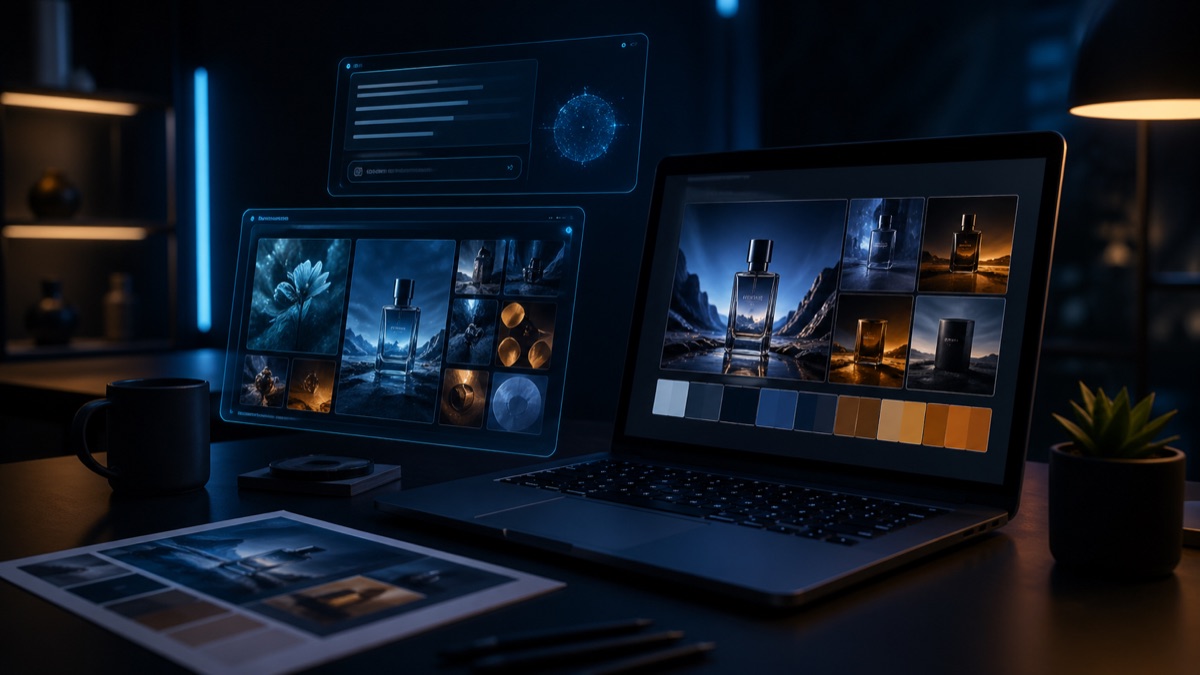
The biggest AI story of 2026 isn't just a model update — it's a studio built into ChatGPT itself, generating visuals the moment you describe them. GPT-4o's image engine — far beyond the old DALL-E 3 — has reset the bar on accurate text rendering, consistent brand identity, and complex composition.
At PAM Istanbul AI-LAB, we spent weeks testing it: product photography, social media creatives, storyboard visualisation, campaign concept pitches. Here's what we learned.
What GPT-4o's Image Engine Actually Delivers
1. Text rendering finally works
The biggest gap in AI image generation has always been text. Midjourney, Flux and older DALL-E versions couldn't reliably place brand names or slogans inside an image. GPT-4o largely solves this: tell it "add 'PURE SKIN' in white letters, top right corner" and it actually does it. For social media creatives, packaging visualisation and ad banners, this is a game-changer.
2. Conversational context creates visual consistency
Images generated within a single thread remember each other. "Use the same lighting as the previous image but shift the product to the right" actually works. This lets you manage iterative revision through natural language — no more wrestling with seed numbers in Midjourney.
3. Upload a reference image + edit it
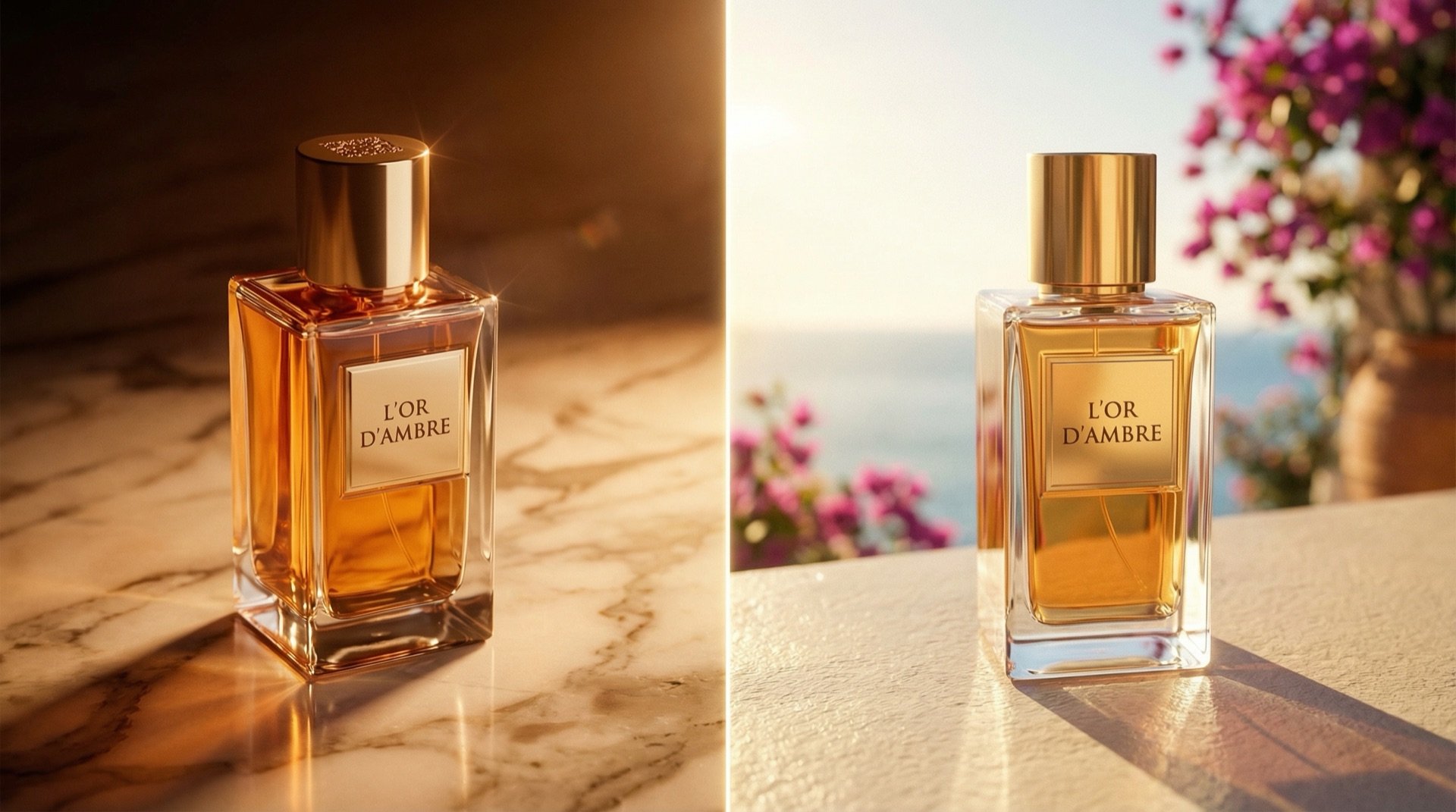
You can upload an existing product photo and say "Re-stage this product on a blue marble surface with natural light." Background replacement, prop addition, lighting adjustment — no Photoshop skill required, just plain language.
GPT-4o Prompt Techniques for Brand Visuals
Getting consistent, on-brand results from GPT-4o depends on how you structure your prompt. The most effective framework from PAM AI-LAB testing:
Formula: [Subject] + [Style] + [Lighting] + [Background] + [Mood]
- Subject: "Black glass perfume bottle"
- Style: "editorial product photography, f/2.8 lens bokeh"
- Lighting: "soft window light from upper left, subtle shadow"
- Background: "matte cream texture, minimalist"
- Mood: "luxury, calm, premium"
Combined: "Black glass perfume bottle, editorial product photography style, soft window light from upper left, subtle shadow, matte cream textured background, minimalist composition, luxury and premium feel, f/2.8 bokeh, 4K"
Lock your brand colour palette
Include your brand palette directly in the prompt: "Colour palette: #1A1A2E navy and #E8D5B7 cream tones only. Use no other colours." GPT-4o respects these constraints more reliably than most competing tools.
Use negative prompting
Explicitly exclude what you don't want: "No plastic appearance. No busy background. No artificial-looking bokeh."
GPT-4o's Limits: What It Still Can't Do
Honestly, GPT-4o doesn't solve everything. Key limitations identified in PAM AI-LAB testing:
- Face consistency: Generating the same person across multiple images is still unreliable. Celebrity or model shoots require real production.
- Resolution: Maximum output is 1792×1024 px — insufficient for print or billboard. Pair with an AI upscaler (Topaz, Magnific) for large-format use.
- Commercial IP: Read OpenAI's terms for commercial use. The model won't replicate third-party IP — which is actually a legal advantage.
- Complex packaging detail: Intricate label designs or logos can shift between generations. Professional retouching recommended for final deliverables.
The Best Way to Integrate GPT-4o into Professional Production
At PAM Istanbul AI-LAB, we find GPT-4o most powerful in the early stages of production:
- Concept presentation: Showing clients 10–15 visual concepts before the shoot dramatically sharpens briefs and cuts revision cycles.
- Storyboard: Perfect for visualising scene compositions on commercial film shoots.
- Social media content: Speed and cost advantage for organic stories, carousels and banners is significant.
- Moodboard: For art directors, the fastest inspiration tool is now a GPT-4o conversation — not a Pinterest board.
GPT-4o vs Midjourney vs Flux — Which One?
Each tool has its strongest ground:
- GPT-4o: Text rendering, iterative revision, conversational workflow, reference image editing
- Midjourney v7: Artistic interpretation, aesthetic consistency, editorial style
- Flux Pro: Photorealistic products and people, fine detail fidelity
At PAM AI-LAB we use all three together: GPT-4o for rapid concept generation, Midjourney for aesthetic refinement, Flux for final image quality. A hybrid workflow consistently outperforms any single tool.
Integrate AI Visuals into Your Production Pipeline
If you're unsure how to bring GPT-4o and AI visual tools into your brand's creative process, work with PAM Istanbul AI-LAB. We offer a hybrid production model from concept through delivery — speed and quality, not a trade-off.
Let's talk about your project · [email protected] · +90 530 267 49 29